Child Struggling to Make Friends at School? Causes & Help
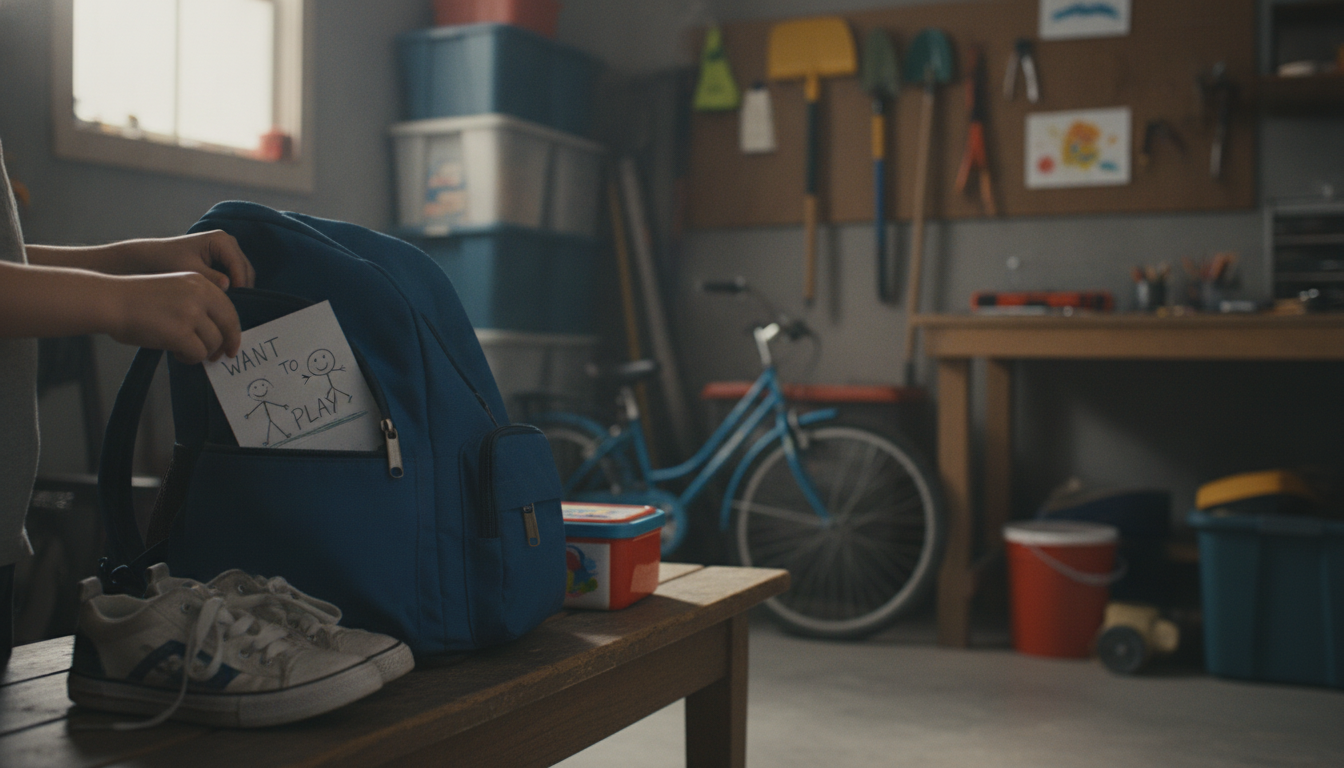
Why does my child struggle to make friends in school?
Many kids want friends but still have a hard time connecting at school. Friendship isn’t just about being “nice”—it also depends on timing, social skills, confidence, and the environment. If your child struggles to make friends, it usually means one or more parts of that puzzle aren’t lining up yet, not that something is “wrong” with them.
What could be causing it?
Social skills are still developing
Some children don’t naturally know how to join a group, start a conversation, or keep a back-and-forth going. They may talk only about their interests, interrupt, or freeze up when they want to speak. These are teachable skills, and many kids improve quickly with practice and simple scripts.
Shyness, anxiety, or fear of rejection
A child can look “quiet” but feel intense worry inside—about being judged, saying the wrong thing, or getting left out. If they’ve been excluded before, they may stop trying to protect themselves from disappointment.
Mismatch in interests or classroom dynamics
Sometimes the problem isn’t the child—it’s the setting. If classmates already have tight friend groups, or if your child’s interests don’t overlap with peers, making friends can feel like trying to join a game that’s already in progress.
Big feelings or impulsive behavior
Kids who get overwhelmed, argue quickly, or have trouble waiting their turn may be avoided by peers even if they’re kind-hearted. Supporting emotional regulation (naming feelings, calming strategies, repair attempts) can change peer interactions fast.
Social communication differences
Some children miss subtle cues like facial expressions, tone, or personal space. They might be perceived as “bossy” or “not interested” when that’s not their intent. If you notice consistent misunderstandings, it can help to consult a pediatrician or school support team.
What can you do next?
Start with small, repeatable steps: practice a few friendly openers, role-play joining play, and plan one low-pressure hangout with a compatible classmate. For ready-to-use phrases and a simple plan your child can practice, use this guide: Friendship Booster Checklist & Easy Scripts for Kids.
FAQ
How can I help my child start conversations with classmates?
Teach two or three short openers they can reuse (a compliment, a shared observation, or a simple question) and practice them at home with role-play. Encourage them to use the opener, then ask a follow-up and listen for the answer.







Leave a comment