Teething Before Plastic: What Babies Used Historically

What did babies use for teething before plastic?
Long before modern plastic teethers, caregivers relied on natural, durable materials that were easy to hold and safe enough for supervised chewing. Options varied by culture and time period, but the goal stayed the same: give sore gums something firm to press against and something cool or soothing to mouth.
Common pre-plastic teething options
Wooden and natural fiber items
Smooth wooden rings, small carved rattles, and tightly wrapped cloth were widely used. Wood offered a gentle firmness that could massage gums, while cloth could be dampened and cooled. Caregivers often chose items that were simple, solid, and free of splinters or loose threads.
Bone, ivory, and horn (historical, not recommended today)
In some eras—especially among wealthier families—teething “corals” or handles made from bone, ivory, or horn appeared. These were valued for durability, but modern safety standards would raise concerns about sanitation and material sourcing. They’re best understood as historical artifacts rather than practical choices now.
Metal and silver teething tools
Silver whistles and rattle-teethers were also used historically. Silver was associated with cleanliness and status, and the cool feel could be soothing. That said, metal can be hard on emerging teeth and still requires careful hygiene and supervision.
Food-based soothing
When babies were developmentally ready for solids, caregivers sometimes offered hard crusts of bread, chilled foods, or firm produce in safe forms to gnaw. These approaches aimed to combine comfort with taste, though they required close watching to reduce choking risks.
How these old methods compare to today
Earlier teething solutions tended to be heavier, harder, and less standardized than modern teethers. Today’s products are designed with consistent shapes, tested materials, and easier cleaning—features that were difficult to guarantee historically.
For a deeper look at what different cultures and time periods used, plus context on why certain materials were popular, visit https://classyyoungling.shop/what-did-babies-use-for-teething-before-plastic/.
FAQ
What are safer modern alternatives to old-fashioned teething remedies?
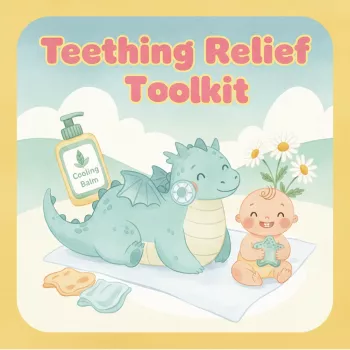
One-piece silicone or rubber teethers made for babies, a clean chilled (not frozen) teether, and a cool damp washcloth are common safer options. Always supervise and follow the manufacturer’s age and cleaning guidance.









Leave a comment