Teething Pain Worse at Night? What’s Happening
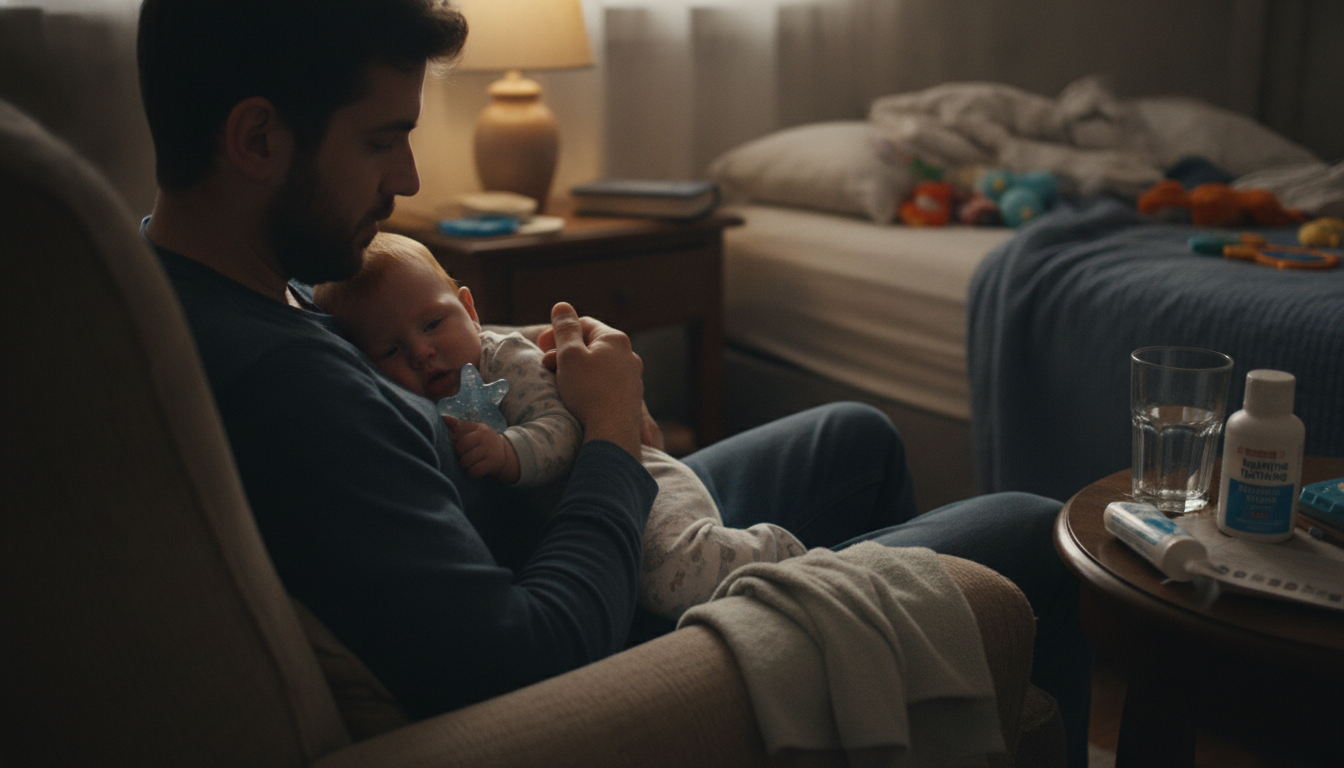
Why is teething pain worse at night for babies?
Teething discomfort often feels more intense at night because babies have fewer distractions. During the day, movement, play, feeding, and new sights can pull attention away from sore gums. Once the lights go out, that “busy” background disappears, and a baby may notice the pressure and tenderness more.
Less daytime distraction means more awareness of soreness
When babies are calm and still, they can become more sensitive to uncomfortable sensations. Lying down quietly can make throbbing gums feel more prominent than when they’re upright and engaged. If your baby is also tired, they may have a lower tolerance for discomfort and cry more easily.
Nighttime sleep cycles can trigger more wake-ups
Babies naturally stir between sleep cycles. If gums are aching, a brief stir can turn into a full wake-up because it’s harder to settle back down. Teething doesn’t always cause long stretches of pain, but it can make those normal night wakings more difficult.
Congestion and pressure can add to the problem
Some babies have mild drooling-related stuffiness or coincidental colds while teething. Any nasal congestion can make lying down feel worse, which can compound fussiness. More mouth-breathing can also dry the mouth, which may make irritated gums feel even more uncomfortable.
Comfort measures may wear off overnight
If you use strategies like a cool teether, gum massage, or a bedtime routine that calms your baby, those supports don’t last all night. As the night goes on, babies may wake needing reassurance, a cuddle, or another brief soothing measure to relax again.
For a deeper, step-by-step look at common causes and gentle ways to help, visit Why is teething pain worse at night for babies?.
FAQ
What can I do to help my teething baby sleep better?
Try a cool (not frozen) teether before bed, a clean finger gum massage, and a consistent calming routine. Keep the room comfortably cool, offer extra cuddles, and watch for signs of illness (like fever or ear pulling) that may need a pediatrician’s input.







Leave a comment