Baby Teething Medicine: Safe Options & What to Avoid

What medicine should I give my baby for teething?
For many babies, the safest “medicine” for teething starts with comfort measures, and then—if your pediatrician agrees—an age-appropriate pain reliever. Most pediatricians recommend acetaminophen (Tylenol) for babies, and may recommend ibuprofen (Motrin/Advil) for babies 6 months and older. The right choice depends on your baby’s age, weight, overall health, and any other medications they take.
First try non-medicine teething relief
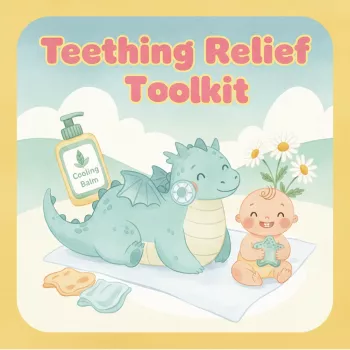
Before reaching for medication, consider simple options that often work well: a clean, chilled (not frozen) teething ring; gentle gum massage with a clean finger; or offering a cold washcloth to chew. Cold can help reduce gum inflammation, and chewing pressure can feel soothing.
When medication can help
If your baby seems truly uncomfortable—trouble sleeping, crying more than usual, refusing feeds—your child’s doctor may suggest an oral pain reliever. Use only the infant formulation and measure with the dosing syringe or cup that comes with it. Dose is typically based on weight, so avoid guessing and don’t exceed the label’s daily limits.
What to avoid
Avoid numbing gels or liquids containing benzocaine, and avoid homeopathic teething tablets or gels that contain belladonna. Also skip amber teething necklaces due to choking and strangulation risks. If your baby has a fever, diarrhea, or a widespread rash, teething may not be the cause—call your pediatrician.
When to call the pediatrician
Contact your pediatrician if your baby is under 3 months and seems ill, if pain persists despite comfort measures, if you’re unsure about dosing, or if symptoms include high fever, dehydration signs, or ear pulling with significant fussiness.
For a deeper, step-by-step guide on safe options and what to steer clear of, visit https://classyyoungling.shop/what-medicine-should-i-give-my-baby-for-teething/.
FAQ
How can I soothe my baby’s teething pain at night without medicine?
Try a chilled teether before bed, a brief gum massage, and extra cuddling or rocking to help them settle. Keep the room cool and stick to your usual bedtime routine so discomfort doesn’t completely disrupt sleep.









Leave a comment