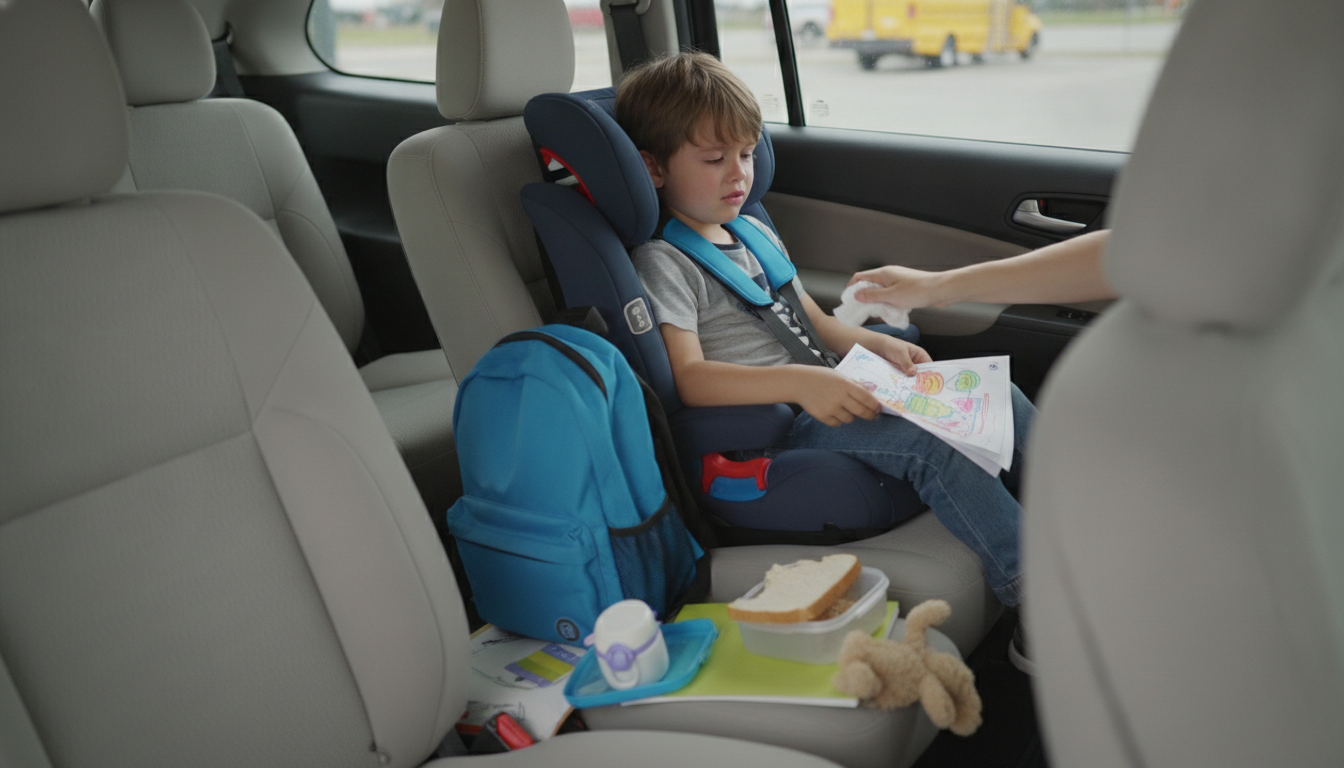
Kindergarten asks kids to handle brand-new routines, social rules, and learning expectations all at once. When a child struggles, it’s usually not about “not trying”—it’s about needing more support in a few key areas that develop at different speeds.
Longer days, new adults, and fast-moving schedules can drain a child’s energy. Some kids melt down after school, resist drop-off, or seem “fine” at school but unravel at home because they’ve used up their coping skills.
Sharing, waiting, taking turns, joining play, and handling “no” are hard, especially in a busy room. A child may struggle with conflicts, frequent tears, impulsive behavior, or difficulty following group directions—often because they’re still learning emotional regulation.
Sitting on the rug, listening to multi-step directions, and filtering noise can be challenging. Some kids need movement to learn; others are sensitive to loud sounds, scratchy clothes, or crowded spaces, which can look like “not listening” or “acting out.”
Skills like recognizing letters, holding a pencil, hearing sounds in words, or counting can vary widely. If lessons move quickly, a child who needs more time may feel frustrated or avoid tasks—especially if perfectionism or fear of mistakes shows up.
Kids learning English, kids with speech-language delays, or kids who struggle to understand complex directions may miss key information and fall behind socially or academically. This can also affect confidence and participation.
Too little sleep, picky eating, constipation, frequent illness, or major family changes can make school feel overwhelming. Even small shifts—like a new sibling or moving—can temporarily affect behavior and learning.
For a practical, gentle next-step checklist and ways to partner with your child’s teacher, see the full guide here: Kindergarten Struggles: A Gentle Parent Checklist.
Look for patterns that last longer than 6–8 weeks, significantly interfere with learning or friendships, or cause frequent distress. Consistent feedback from the teacher that supports what you see at home is also a strong signal to seek additional support.











Leave a comment