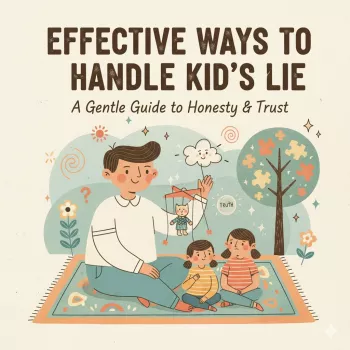
Teaching a child not to lie starts with understanding why the lie happened, then responding in a way that makes honesty feel safe and worthwhile. Most kids lie to avoid trouble, protect feelings, get attention, or because they’re still learning the difference between wishes and facts. The goal isn’t “zero mistakes,” but building a habit of telling the truth—even when it’s uncomfortable.
If a child expects big anger, they’re more likely to double down. Take a breath, keep your voice steady, and focus on solving the problem. Calm responses make it easier for kids to admit the truth next time.
Instead of “Did you do this?” try “What happened here?” or “Help me understand.” This lowers the pressure to protect themselves. If the truth comes out, acknowledge it: “Thank you for telling me. That was brave.”
Hold boundaries without turning truth-telling into a trap. A simple approach is: smaller consequences for honesty, bigger consequences for lying. For example, the cleanup still happens, but the extra privilege loss happens only if they lied.
Many kids lie because they don’t know how to say the truth. Offer scripts: “I’m worried you’ll be mad, but I spilled it,” or “I forgot my homework.” Practice during calm moments so they can use the words under stress.
After the truth is clear, focus on repair: clean up the mess, apologize, replace what was broken, or redo the task. Repair builds responsibility without shame.
For more calm, gentle strategies (including what to do when lying becomes a pattern), read this guide on handling kids who lie.
If it seems like pretend play or wishful thinking, label it gently (“That’s a fun story”) and model the real facts without punishment. Save consequences for deliberate lying meant to mislead or avoid responsibility.












Leave a comment