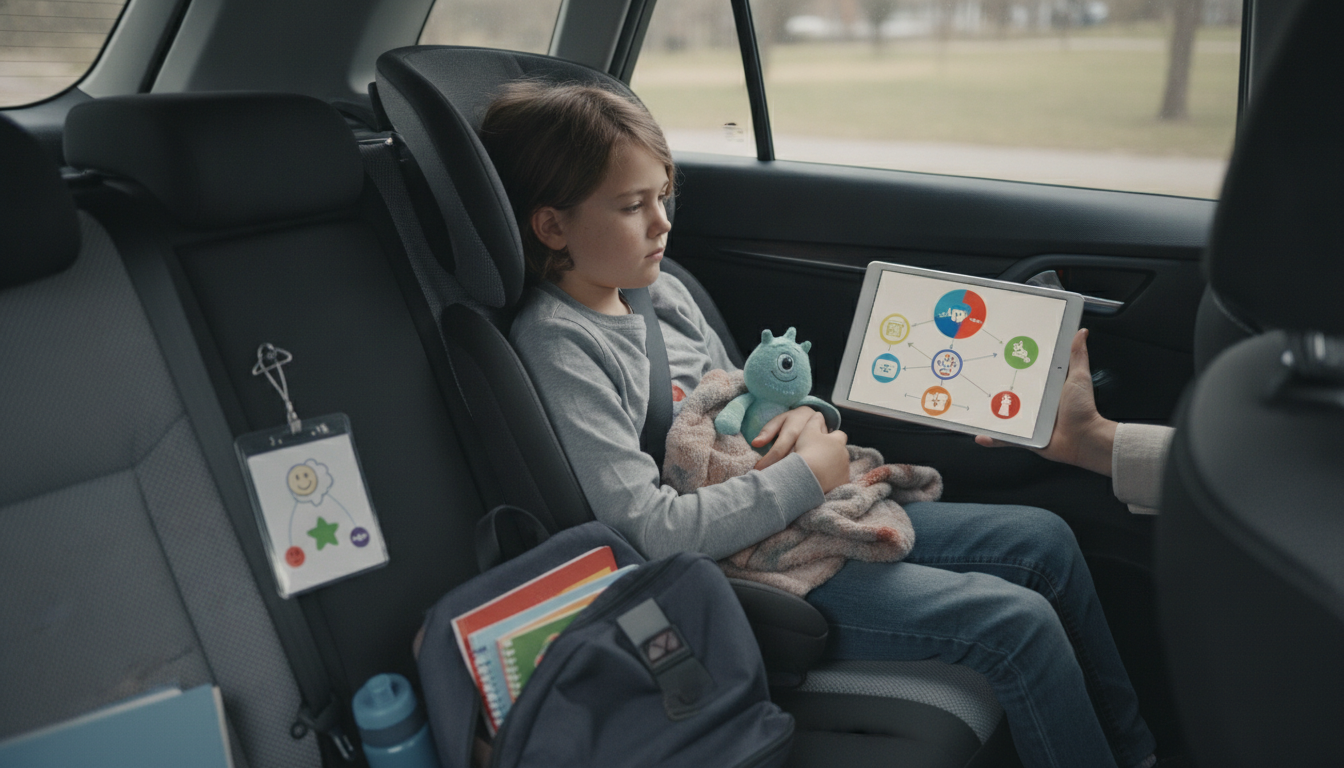
Supporting Social, Emotional, and Mental Health (SEMH) needs starts with making school feel safe, predictable, and connected—especially for younger children who may already be struggling with transitions, separation anxiety, or big feelings. When SEMH support is built into the school day, students are more likely to stay engaged, regulate emotions, and build positive relationships.
Clear schedules, visual timetables, and advance warnings before changes reduce anxiety and help students feel in control. For children who struggle at drop-off or after recess, schools can offer calm transition routines, a consistent adult check-in, or a quiet “reset” space for a few minutes before rejoining class.
A trusted adult can be a powerful protective factor. Assigning a key staff member (teacher, counselor, or aide) for regular check-ins helps students voice concerns early. Staff can also track patterns—like frequent meltdowns at specific times—and respond with targeted supports rather than punishment.
Whole-class tools often help SEMH students the most: explicit teaching of coping skills, emotion labeling, flexible seating options, movement breaks, and low-stakes ways to participate. De-escalation strategies—calm voice, reduced language demands, and offering choices—can prevent a moment of distress from becoming a crisis.
Family communication works best when it’s specific, nonjudgmental, and focused on problem-solving. Sharing what helps at home and at school creates consistency. For families navigating early school struggles, this gentle guide can help clarify needs and routines: Kindergarten Struggles: Gentle Parent Checklist.
Some students need more than universal strategies. Schools can offer counseling, small-group social skills, behavior support plans, sensory supports, and referrals to outside services when appropriate. The goal is to remove barriers to learning while protecting dignity and belonging.
Helpful accommodations include predictable routines, a discreet break pass, calm-down tools, reduced public calling-on, and clear step-by-step directions. A consistent check-in adult can also reduce uncertainty and escalation.









Leave a comment