Toddler Tantrums in Public: Prepare, Respond, Repair
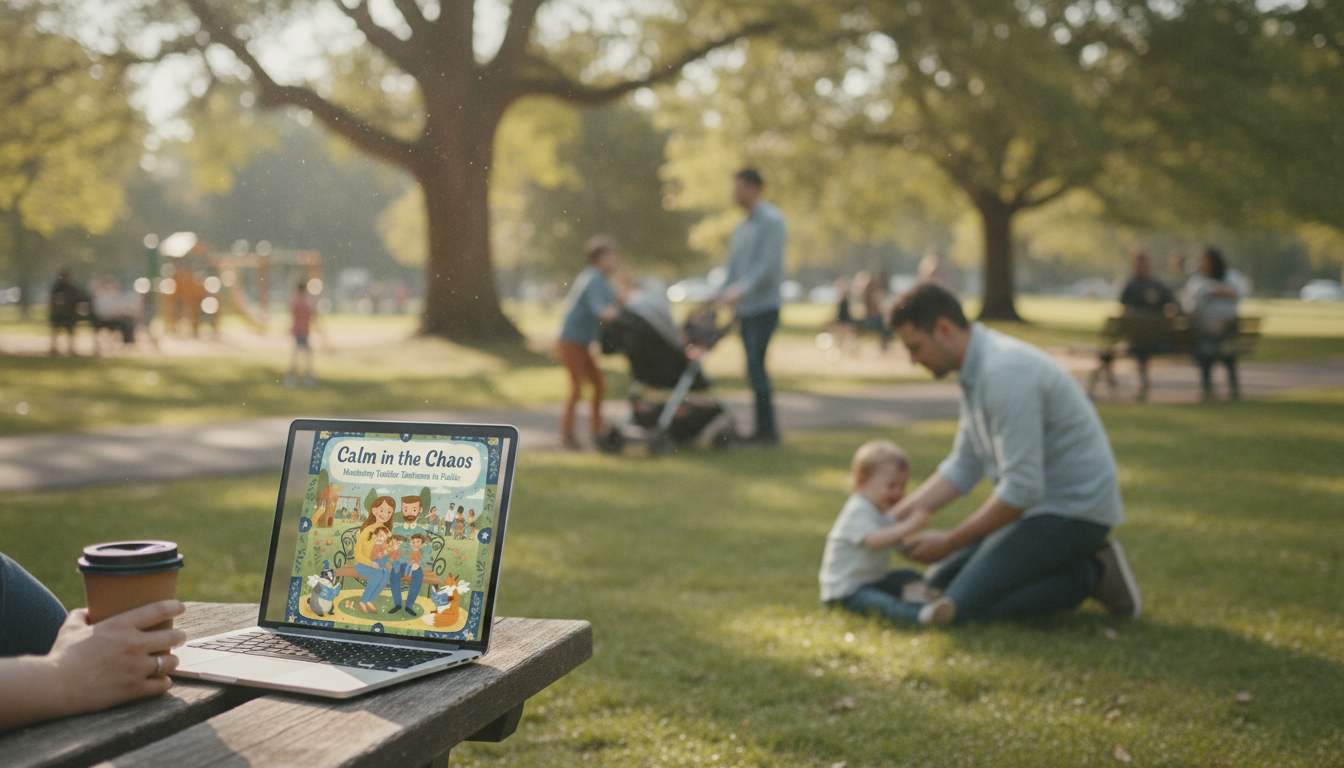
Calm in the Chaos: Mastering Toddler Tantrums in Public
Public toddler tantrums can feel intense: big feelings, loud reactions, and the pressure of being watched. A calmer outcome is possible with a simple plan that covers what to do before leaving the house, how to respond in the moment, and how to teach skills afterward—without punishment, threats, or shame. The goal isn’t to “win” the moment; it’s to keep everyone safe while your child learns emotional regulation one repeatable step at a time.
Why public tantrums happen (and why they feel bigger outside the house)
Toddler tantrums are often a sign of overwhelm, not “bad behavior.” Their brains are still building impulse control, language, and frustration tolerance, so fatigue, hunger, sensory overload, transitions, and “I can’t have it” moments can stack quickly.
Public spaces add extra triggers: bright lights, noise, strangers, long lines, and less freedom to move. Even a quick errand can demand more patience than a toddler has available that day.
Toddlers also borrow regulation from adults. When a caregiver stays grounded—slow breathing, steady voice, calm body—the child’s nervous system often settles faster.
Finally, it helps to know the difference between a tantrum and a meltdown. Tantrums can shift with connection and clear limits. Meltdowns often require reduced input (less noise, fewer words, fewer eyes) and safety first.
A 3-part plan: prepare, respond, repair
A simple structure keeps decisions easy when emotions run hot:
- Prepare: set the trip up for success with timing, snacks, and one short expectation statement.
- Respond: focus on safety, connection, and clear limits—then reduce stimulation and wait it out without escalating.
- Repair: after calm returns, name the feeling, practice a better option, and reconnect so your child learns skills instead of fear.
Quick public tantrum plan
| Phase | What to do | Helpful words |
|---|---|---|
| Before you go | Snack, bathroom, comfort item, simple plan, offer one small choice | “First groceries, then playground.” |
| Early signs | Get down to eye level, narrate, offer two acceptable choices | “You’re upset. Walk or ride in the cart?” |
| Full tantrum | Keep boundaries, move to a quieter spot, breathe slow, stay close | “I won’t let you hit. I’m right here.” |
| After calm | Validate + limit, practice a script, reconnect with warmth | “Mad is okay. Hitting isn’t. Next time say ‘Help.’” |
Before leaving: reduce the top three triggers
Most public blow-ups trace back to three repeat offenders. Plan for them and you prevent a surprising number of eruptions.
- Hunger: pack a predictable snack and water; avoid “surprise” errands right before meals. (A small snack you can hand over quickly beats a long pep talk.)
- Fatigue: keep trips short around nap time. When an errand can’t move, lower expectations, build in buffer time, and prioritize the must-dos.
- Transitions: preview what will happen and how it ends (“Two stops, then home”). A simple checklist on your phone can help toddlers who do better with visuals.
To prevent power struggles, offer two acceptable choices: shoes A or B; hold your hand or hold the cart; push the button or carry the bag. And bring one regulation tool: a small comfort item, chewy snack, child-safe headphones, or a simple “calm cue” card (breathe, squeeze hands, ask for help).
In the moment: a calm, firm script that protects safety and dignity
When the tantrum hits, the priority is safety and nervous system support—not proving a point.
- Start with safety: block hitting/kicking, move hazards away, and keep your body between your child and danger.
- Lower stimulation: step to the side, face a wall, go outside, or sit in the car. Less input often shortens the episode.
- Regulate first, teach later: slow breathing, relaxed shoulders, steady voice. Avoid long explanations while they’re dysregulated.
- Name the feeling and hold the limit: “You wanted the toy. It’s hard. We’re not buying it.”
- Use minimal words: pick one sentence and repeat it instead of negotiating.
- If your child tries to run: hold hands, use the cart seat, or carry in a supportive hold while narrating: “I’m keeping you safe.”
Evidence-based positive discipline guidance emphasizes staying calm, consistent, and respectful—especially in heated moments. Helpful references include the American Academy of Pediatrics and the CDC’s positive parenting tips.
What not to do (common reactions that usually prolong tantrums)
Afterward: build emotional intelligence and reduce the next blow-up
For more toddler development context and realistic expectations, resources from ZERO TO THREE can be a steady reference point.
When it’s not “just a tantrum”: sensory overload and bigger support needs
For sensory-heavy situations, Quiet the Storm: A Friendly Guide to Calming Sensory Overload in Kids offers practical tools for reducing input and building coping routines.
A grab-and-go toolkit for caregivers
If snack timing is a frequent trigger, a simple planning aid can make outings smoother: Toddler Snack Success Checklist.
Digital guide to keep on your phone: Calm in the Chaos
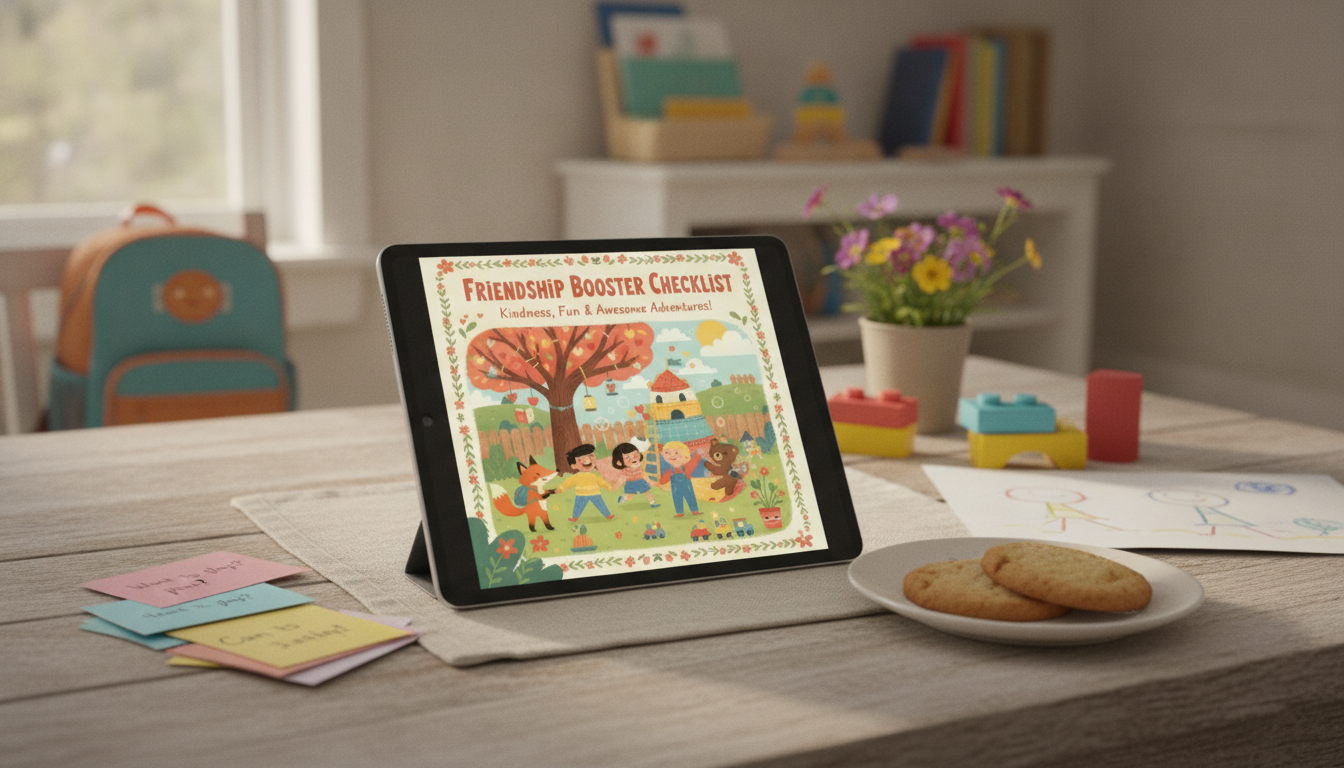
For caregivers who want a clear, repeatable plan built specifically for errands and public places, Calm in the Chaos: Mastering Toddler Tantrums in Public (digital download) is designed to be easy to reference before a trip—or during a tough day—without shame-based tactics.
FAQ
How do you help a toddler with tantrums?
Focus on safety and calm first, name the feeling briefly, hold a clear limit, reduce stimulation, and wait for regulation to return. Afterward, teach a replacement skill (words or gestures), practice it when calm, and adjust prevention (snacks, rest, transitions, choices).
How to deal with toddler tantrums 3 year old
Use predictable boundaries and simple choices, keep language short during the peak, and avoid negotiating. Three-year-olds do well with rehearsed scripts (“Help please,” “All done”), transition warnings, and consistent follow-through paired with warmth and repair after calm.






Leave a comment