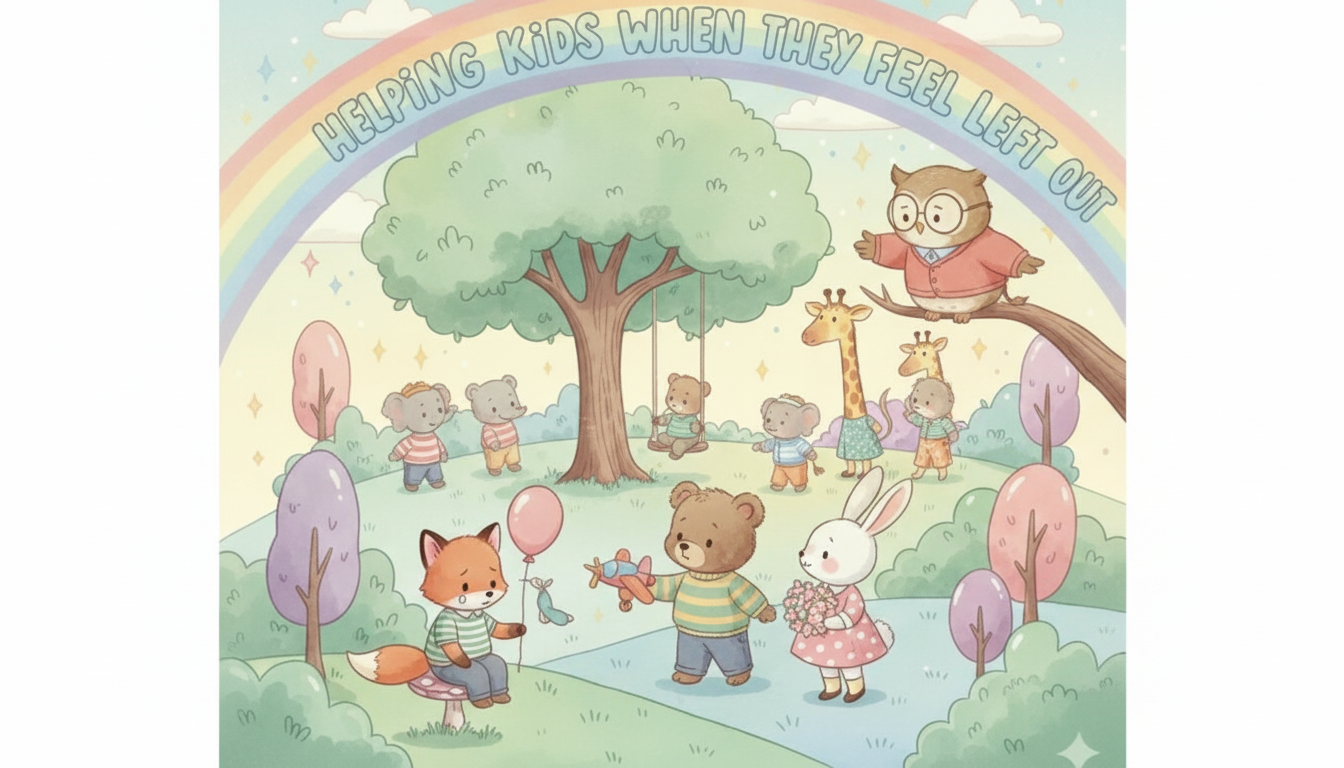
Feeling left out usually starts with a mismatch between a basic human need and what’s happening in a given moment. People are wired to seek belonging, safety, and social connection, so when someone senses they don’t “fit” in a group, the brain can read it as a threat—even if no one intended harm.
One common root cause is social exclusion (real or perceived). Sometimes exclusion is obvious (not being invited, ignored, or left out of a game). Other times it’s subtle (inside jokes, shifting seats, side conversations). When signals are unclear, the mind often fills in the gaps, which can amplify the feeling of being unwanted.
Another root cause is rejection sensitivity, which can develop from past experiences like bullying, frequent criticism, moving schools, or inconsistent friendships. In that case, even neutral events—someone forgetting to text back, a friend talking to someone else—may feel like confirmation that you don’t matter. This isn’t “overreacting”; it’s the brain trying to prevent future hurt by staying on high alert.
Group dynamics also play a big role. Friend groups can shift quickly due to new classmates, changing interests, status competition, or unspoken rules. When roles change (for example, a child who used to be the “best friend” is suddenly part of a trio), someone can feel pushed to the edge without any single person being “the villain.”
Finally, internal factors can intensify the experience: low confidence, social anxiety, neurodivergent communication differences, or simply being tired or stressed. These can make it harder to read cues, join in, or bounce back after an awkward moment.
For practical ways to respond—especially for kids—see this guide on when kids feel left out and how to build support, skills, and confidence.
Start by naming the feeling and listening without rushing to fix it. Then practice small “entry skills” (how to join a game, what to say, how to handle a no) and look for one or two kind peers or structured activities where friendships can grow naturally.







Leave a comment