Boost Pumping Output: Increase Milk Supply Fast
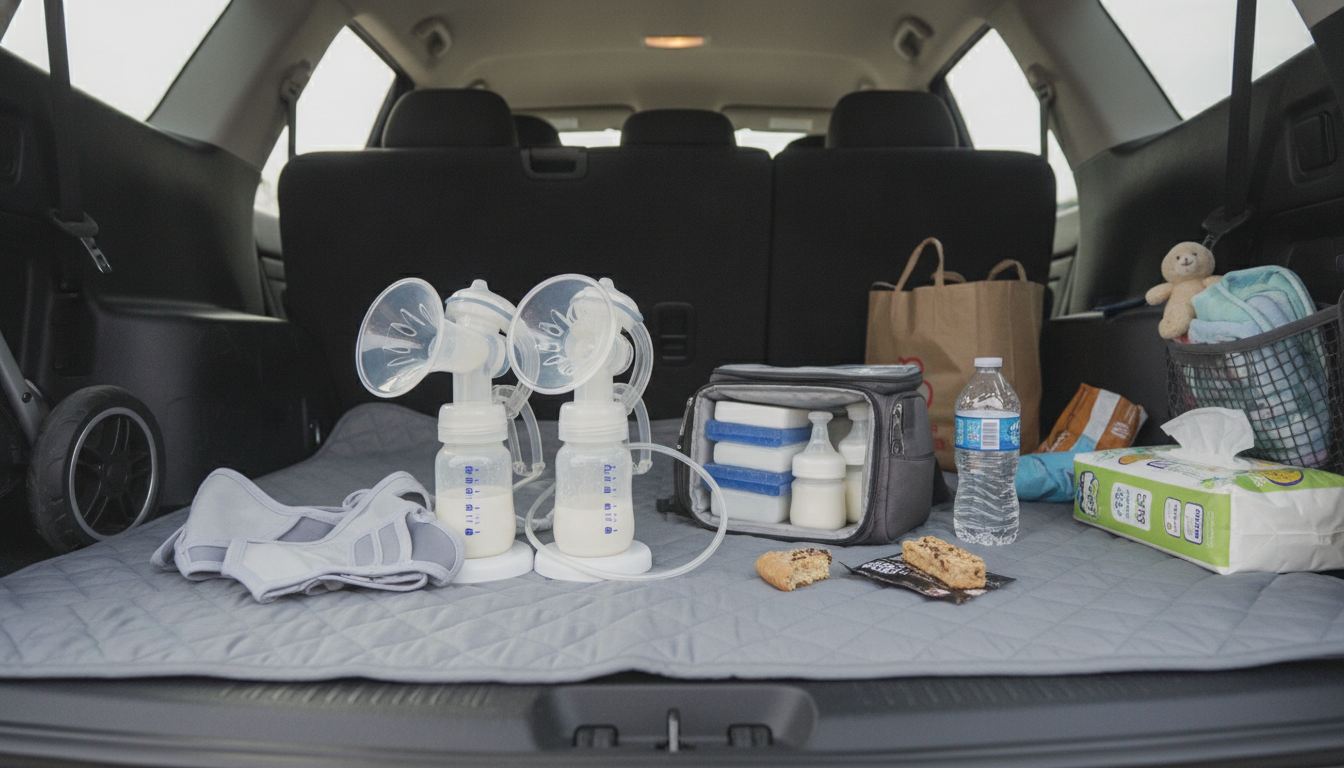
How to increase milk supply when pumping
Building a stronger pumping supply usually comes down to removing milk more effectively and more often, while supporting your body with rest, hydration, and calories. Small changes in timing, flange fit, and technique can make a noticeable difference within a few days.
What helps increase milk supply while pumping?
1) Pump more frequently (and avoid long gaps)
Aim for 8–12 milk removals per 24 hours in the early months, including at least one session overnight or early morning when supply-driving hormones tend to be higher. If you’re exclusively pumping, consistent spacing matters more than long, infrequent sessions.
2) Add power pumping for a short “boost” window
Try one power-pumping session daily for 3–5 days: pump 20 minutes, rest 10, pump 10, rest 10, pump 10. This mimics cluster feeding and can signal your body to make more. Keep the suction comfortable—pain can reduce letdown.
3) Check flange size and suction settings
An incorrect flange size can limit milk flow and cause swelling, making output drop. Your nipple should move freely in the tunnel without excessive areola being pulled in. Use the highest comfortable suction, not the highest possible setting, and consider using stimulation/letdown mode at the start.
4) Use hands-on pumping and breast compressions
Gently massage before pumping, then compress during pumping to keep milk flowing and help drain more completely. Better emptying typically leads to more production over time.
5) Support the basics: fluids, calories, and recovery
Drink to thirst, eat regular meals and snacks, and prioritize sleep when possible. Stress and under-eating can affect output; even short rest breaks and a consistent routine can help.
For step-by-step tips, troubleshooting, and a deeper walkthrough of schedules and techniques, see this guide on how to increase milk supply when pumping.
FAQ
How long does it take to increase milk supply with pumping?
Many people notice changes within 3–7 days after increasing pumping frequency or adding power pumping. Bigger shifts can take 1–2 weeks, especially if flange fit or schedule consistency was limiting output.












Leave a comment