Seasonal Allergies in Babies: How Long Do They Last?
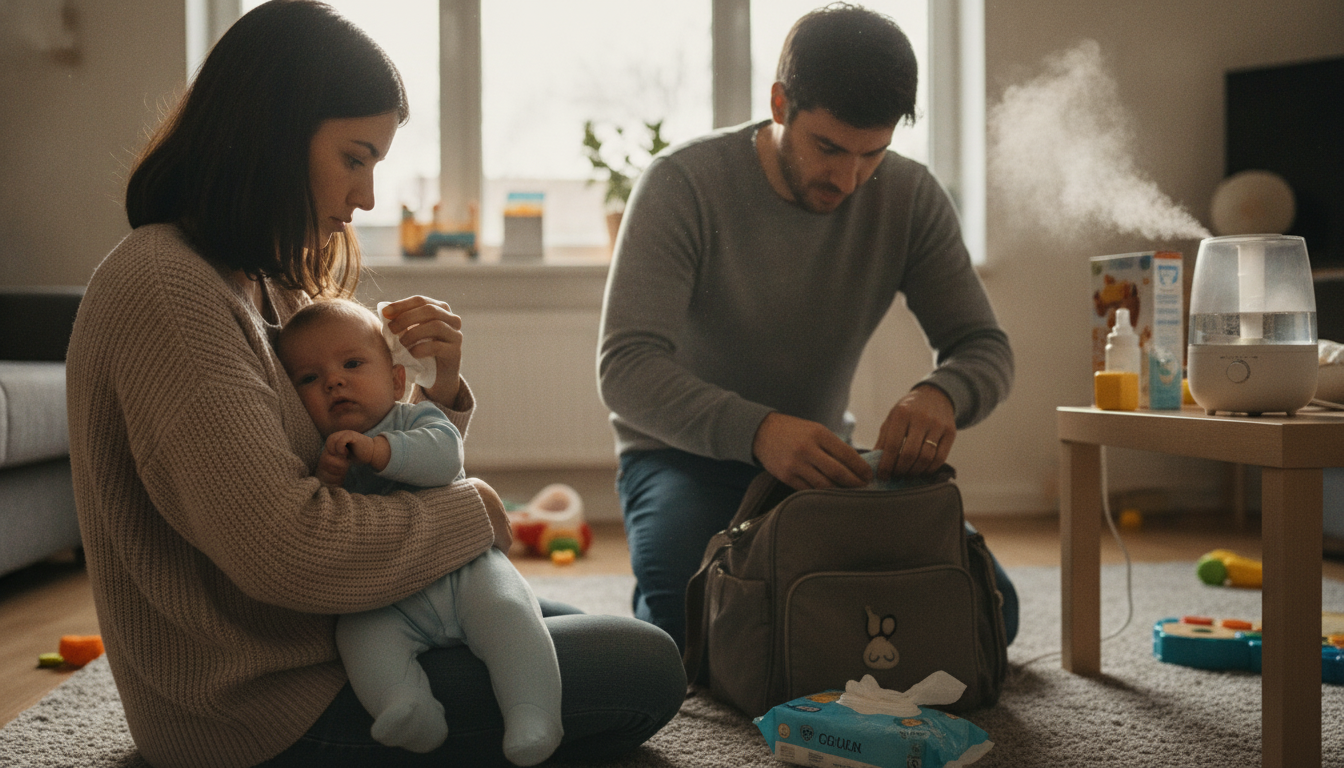
How long do seasonal allergies last in babies?
Seasonal allergies in babies can last anywhere from a few weeks to several months, depending on what’s triggering symptoms and how long that allergen stays in the air. For many families, symptoms line up with local pollen seasons: tree pollen often peaks in spring, grasses in late spring and summer, and weeds (like ragweed) in late summer through fall. If your baby is sensitive to more than one type of pollen, symptoms may seem to “roll” from one season into the next.
What a typical timeline looks like
If pollen is the culprit, symptoms usually start when pollen counts rise and ease when the season ends or after a stretch of rainy days that clears the air. That can mean 2–6 weeks for a single short spike, or 8–12+ weeks during a longer season. In some regions, mild winters can extend pollen activity and make allergy symptoms linger longer than expected.
Why symptoms sometimes don’t go away
Not every runny nose is seasonal allergies. Colds commonly last 7–10 days (sometimes up to two weeks), and daycare exposure can make back-to-back viruses feel constant. Indoor irritants—dust mites, pet dander, mold, fragrance, or smoke—can also keep nasal congestion going even when outdoor pollen drops. If symptoms persist well beyond the local pollen season, it’s worth considering non-seasonal triggers with your pediatrician.
When to check in with your pediatrician
Reach out if your baby has trouble breathing, wheezing, poor feeding, sleep disruption that doesn’t improve, fever that suggests infection, or symptoms lasting weeks without a clear pattern. Also ask about safe relief options—many allergy medicines are age-specific, and babies may need a different approach than older kids.
For practical, home-based steps to make your baby more comfortable—like bedtime routines, bathing after outdoor time, and simple changes to the air indoors—see the full guide here: toddler seasonal allergies relief routine and home tips.
FAQ
What are common signs of seasonal allergies in babies?
Frequent sneezing, clear runny nose, itchy or watery eyes, and nasal congestion that worsens outdoors or on high-pollen days are common. Symptoms often improve indoors and usually occur without fever.








Leave a comment