Toddler Tantrums: Calm Limits, Choices, and Repair

How do you help a toddler with tantrums?
Toddler tantrums are a normal part of development, but they can feel overwhelming in the moment. The most helpful approach is a mix of calm limits, simple choices, and a quick “repair” after everyone has cooled down. The goal isn’t to stop every tantrum—it’s to guide your child through big feelings safely and consistently.
Stay steady and keep them safe
First, check safety: move sharp objects, step away from crowds, or gently block hitting. Keep your voice low and your words short. A calm adult nervous system helps a toddler’s body settle faster, even if it doesn’t look like it right away.
Name the feeling and set a clear limit
Try a brief script: “You’re mad. You wanted the cookie. Cookies are after dinner.” Naming the emotion helps your toddler feel understood, while the limit keeps the boundary firm. Avoid long explanations during the peak of a tantrum—toddlers can’t process much language when upset.
Offer tiny choices to restore a sense of control
Choices reduce power struggles without giving in: “Do you want to walk or do you want me to carry you?” or “Red cup or blue cup?” Keep choices two options and both acceptable to you. If your child can’t choose, choose for them and move forward calmly.
Co-regulate instead of trying to “win”
Some toddlers want closeness; others need space. Offer: “I’m right here when you’re ready.” If they accept, breathing slowly together, a hand on their back, or a quiet hug can help their body reset. If they reject touch, stay nearby and neutral.
Repair after the storm
Once calm, reconnect: “That was hard. I’m glad you’re back.” Then briefly teach: “Next time, we can stomp feet or ask for help—no hitting.” Practice a replacement skill when everyone is regulated.
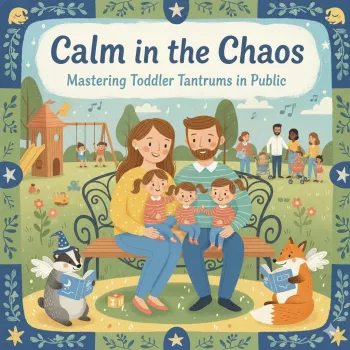
For more practical scripts and a step-by-step approach for tough moments outside the house, see this guide to handling toddler tantrums in public.
FAQ
What should you avoid doing during a toddler tantrum?
Avoid long lectures, threats you can’t follow through on, and giving in to stop the noise if it teaches “tantrum equals reward.” Also avoid shaming language; it can escalate feelings and make future meltdowns more intense.










Leave a comment