Toddler Seasonal Allergies: Daily Relief Routine & Tips
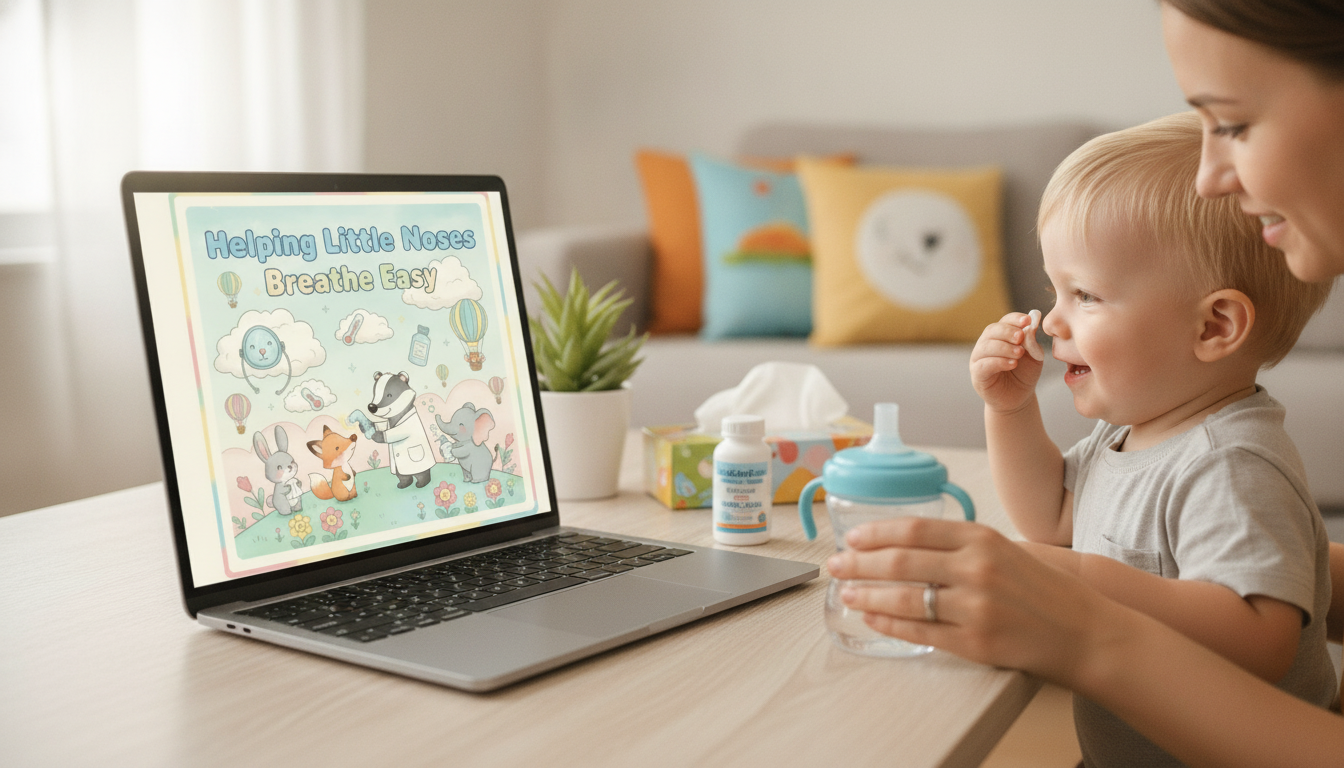
Helping Little Noses Breathe Easy: A Parent’s Guide to Seasonal Allergy Relief for Toddlers
Seasonal allergies can look a lot like constant colds in toddlers—runny noses, sneezing fits, watery eyes, and restless sleep. The difference is that allergies often follow patterns: they spike after outdoor time, improve after washing up, and can stick around for weeks when pollen is high. A clear, repeatable plan helps reduce triggers at home, support easier breathing, and recognize when it’s time to call the pediatrician. For more guidance, see A Guide to Seasonal Allergies in Kids – Lurie Children’s.
Seasonal allergies in toddlers: what’s happening
Most seasonal allergy symptoms are caused by the immune system reacting to tree, grass, or weed pollen. Toddlers may not be able to describe “itchy eyes” or “itchy nose,” so allergy days can show up as crankiness, mouth breathing, disrupted naps, or a lingering cough from postnasal drip. Many families notice symptoms are worse outdoors and calmer after the child has been inside for a while. For further reading, see Seasonal Allergies in Kids: Symptoms, Prevention and Treatment.
- Common triggers: tree, grass, and weed pollens; symptoms often flare outdoors and improve indoors.
- Typical allergy signs: clear runny nose, sneezing, itchy nose/eyes, nasal congestion, cough from postnasal drip, dark circles under eyes.
- Colds look different: fever, body aches, thicker mucus, and symptoms that resolve in 7–10 days are more typical of a virus.
- Toddler-specific clues: reduced appetite, restless sleep, mouth breathing, and more tantrums than usual.
Allergies vs. common cold: quick comparison
| Clue | Seasonal allergies | Common cold |
|---|---|---|
| Timing | Returns around the same season; lasts weeks to months | Often 7–10 days; can happen any time |
| Nasal mucus | Usually clear and watery | Often thicker; may turn yellow/green |
| Fever | Uncommon | Possible, especially early |
| Itchiness | Common (nose/eyes) | Uncommon |
| Response to triggers | Worse after outdoor exposure; improves after bathing/indoors | Less tied to outdoor timing |
A calm, repeatable daily routine for high-pollen days
A simple rhythm reduces guesswork—especially when multiple caregivers are involved. Aim for fewer pollen “hits,” faster clean-up after outdoor play, and consistent bedtime breathing support.
- Morning: check the local pollen forecast and plan outdoor time for lower-pollen windows when possible (often after rain and later in the day).
- Before daycare/outings: add easy barriers like a hat or sunglasses; keep wipes handy for face and hands.
- After outdoor time: change clothes, wash hands/face, and consider a quick bath to remove pollen from hair and skin.
- Evening: run a HEPA air purifier in the child’s room; keep windows closed during peak pollen periods.
- Night: use saline drops/spray and gentle suction as needed to reduce congestion before sleep.
Home environment adjustments that reduce exposure
Small changes at home often make the biggest difference because they lower the total pollen load your toddler breathes in all day and night.
- Keep bedroom air cleaner: use a HEPA purifier; dust with a damp cloth; wash bedding weekly (hot water when possible).
- Limit pollen entry: shoes off at the door; windows closed on high-pollen days; use A/C recirculation in the car.
- Laundry strategy: avoid drying clothes outdoors during peak pollen; keep worn jackets away from sleeping areas.
- Pet considerations: wipe paws/fur after outdoor time; keep pets out of the toddler’s bed.
- Humidity balance: aim for comfortable indoor humidity (often 30–50%) to avoid congestion or mold growth.
Toddler-safe symptom relief options to discuss with a pediatrician
Supportive care can ease congestion and improve sleep, but toddlers are not just “small adults.” Always confirm what’s appropriate for your child’s age and medical history.
- Saline + suction: helpful for congestion, especially before naps/bedtime; use a gentle technique to avoid irritation.
- Cool-mist humidifier: may ease nasal dryness; clean daily and disinfect regularly to prevent mold/bacteria buildup.
- Warm bath/steam in bathroom: short sessions can loosen mucus; supervise closely and avoid hot steam exposure.
- Medication conversations: ask about age-appropriate antihistamines or nasal treatments; dosing and suitability vary.
- Avoid adult decongestants: skip adult decongestants and combination cold products unless specifically directed by a clinician.
For more background on allergies in children, see guidance from HealthyChildren.org (American Academy of Pediatrics) and the American College of Allergy, Asthma & Immunology.
When to call the pediatrician (and when to seek urgent care)
A simple tracking plan to spot patterns
Digital handbook for structured support
- Helping Little Noses Breathe Easy (digital download) organizes a step-by-step approach for toddler seasonal allergy days.
- Designed for fast use: symptom checklists, routine prompts, and practical home adjustments.
- Helpful when multiple caregivers need the same plan.
Helpful add-ons for everyday toddler care
- Quiet the Storm: A Friendly Guide to Calming Sensory Overload in Kids supports calming routines when discomfort disrupts transitions and bedtime.
- Toddler Snack Success Checklist helps simplify snack planning for daycare and low-appetite days.
- Bye-Bye Bottle! Toddler Bottle-Weaning Checklist supports consistent feeding transitions when schedules feel disrupted.
FAQ
What can I do if my baby has seasonal allergies?
Start with exposure reduction: keep windows closed on high-pollen days, remove shoes at the door, wipe hands/face after outdoor play, and bathe/change clothes to rinse pollen off. Use saline and gentle suction before sleep and consider a HEPA purifier in the bedroom; contact a pediatrician for age-appropriate medication options and seek urgent care for any breathing trouble.
How long do seasonal allergies last in babies?
Seasonal allergy symptoms can last as long as the trigger is present—often weeks to months—and may rise and fall with daily pollen levels. If symptoms persist, disrupt sleep, or keep returning around the same season, tracking patterns and checking in with a pediatrician can help clarify next steps.








Leave a comment