Active Toddler, Few Words? Causes and Next Steps
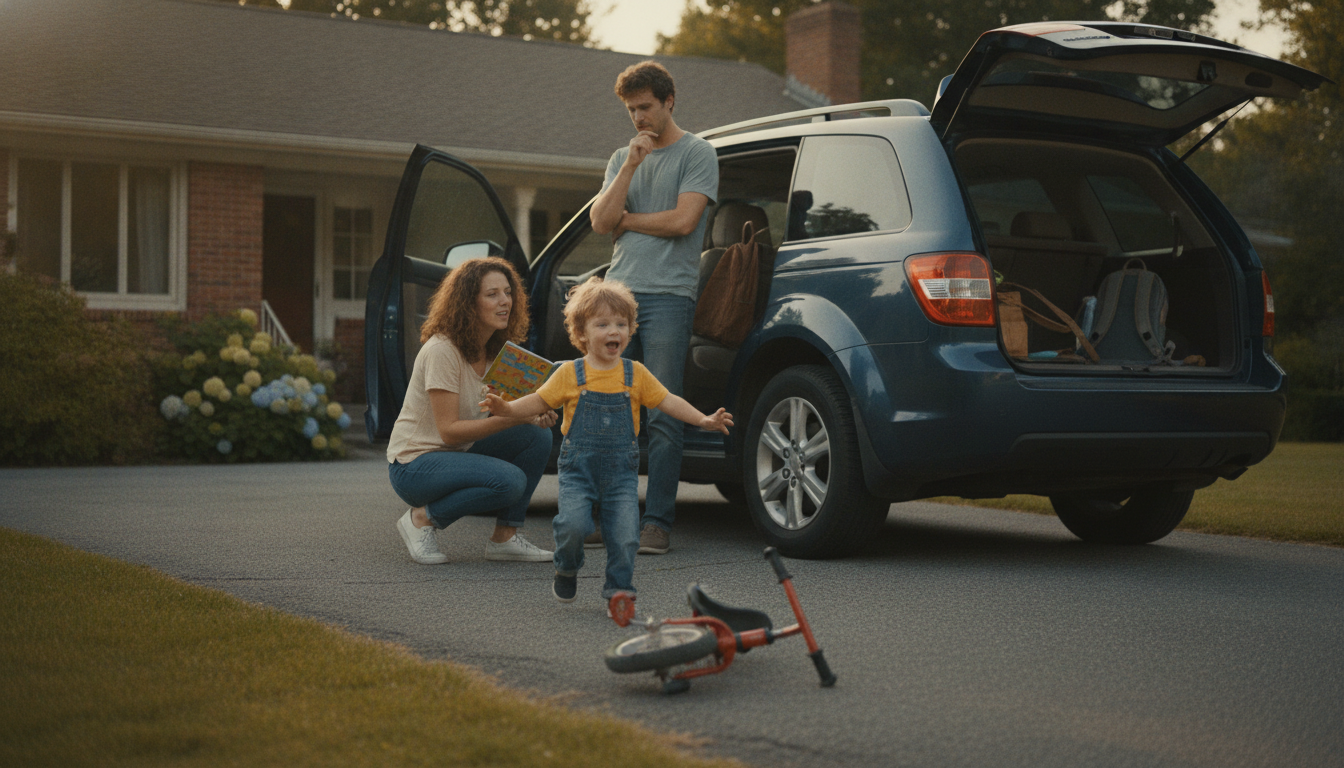
Why is my toddler so active but not talking?
It can feel confusing when a toddler seems nonstop in motion—running, climbing, exploring—yet isn’t using many words. High activity doesn’t automatically mean something is wrong. Many toddlers put their energy into movement and hands-on learning first, while speech skills come later. Temperament, sleep, and daily routines can also influence how much a child “shows” language in the moment.
What it can mean
They’re focusing on motor skills before language
Some kids develop in “bursts,” pouring effort into physical milestones (jumping, balancing, fine-motor play) and then catching up with speech. You may still notice communication through gestures, pointing, leading you by the hand, or using sounds to get your attention.
They understand more than they can say
Receptive language (understanding) often grows before expressive language (talking). If your toddler follows simple directions, responds to their name, and understands familiar words, those are encouraging signs—even if spoken words are limited.
Busy bodies still need interaction for words to stick
Active toddlers sometimes move too quickly to practice back-and-forth talking. Short, frequent “language moments” can help: label what they’re doing (“You’re stacking blocks”), pause to let them respond, and keep sentences simple.
When to consider extra support
It’s worth checking in with your pediatrician or a speech-language pathologist if you notice limited babbling, few gestures (like pointing or waving), loss of previously used words, little response to sound, or frustration that leads to frequent meltdowns. Hearing issues—sometimes from repeated ear infections—can also affect speech while energy levels stay high.
What to do next
Track words, gestures, and understanding for a couple of weeks, and note what makes communication easier or harder (fatigue, loud environments, screen time). For a practical, step-by-step checklist of common causes and next steps, see this troubleshooting guide for a toddler not talking yet.
FAQ
What are early signs of a speech delay in toddlers?
Common signs include not using gestures like pointing by around 12 months, not saying a few meaningful words by around 16 months, or not combining two words by around 24 months. Losing language skills they previously had is also a reason to seek evaluation.









Leave a comment