Bottle to Cup for Milk: Easy Toddler Transition Steps
How to transition toddler from bottle to cup for milk?
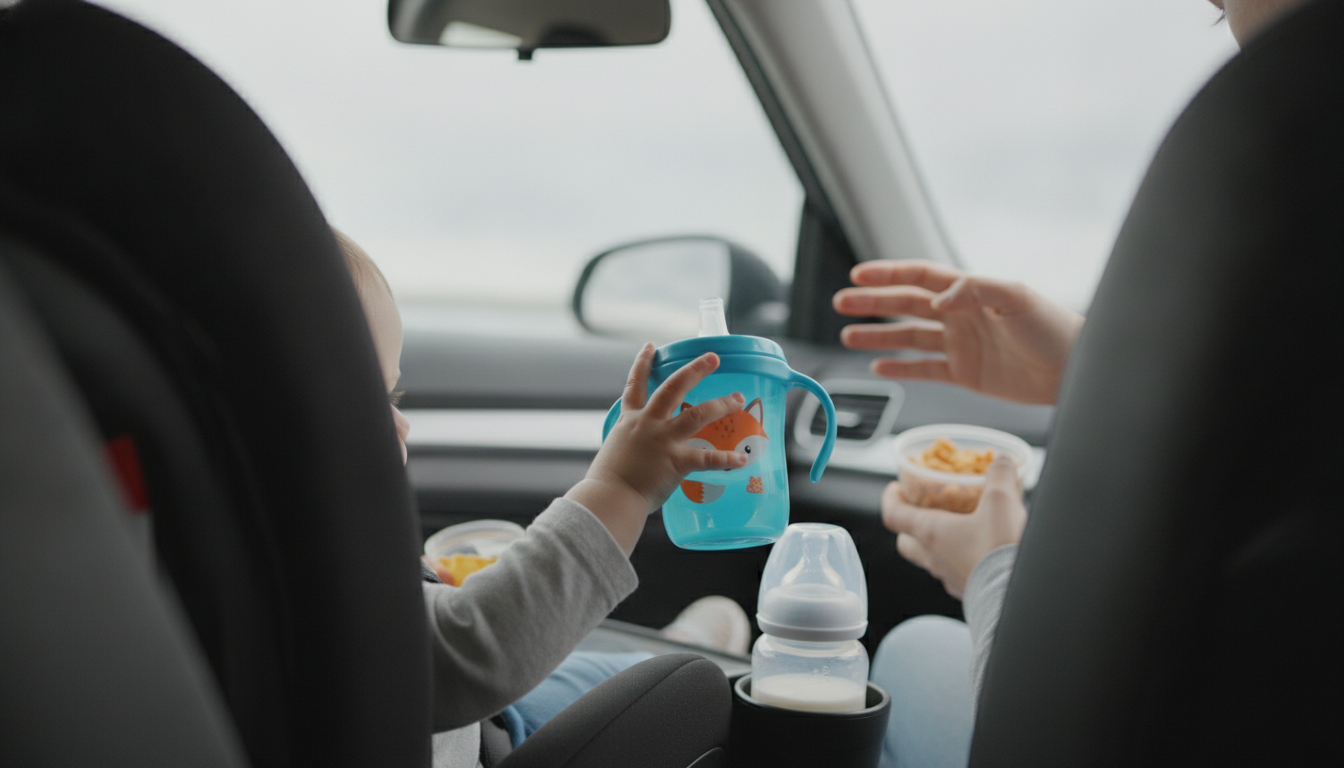
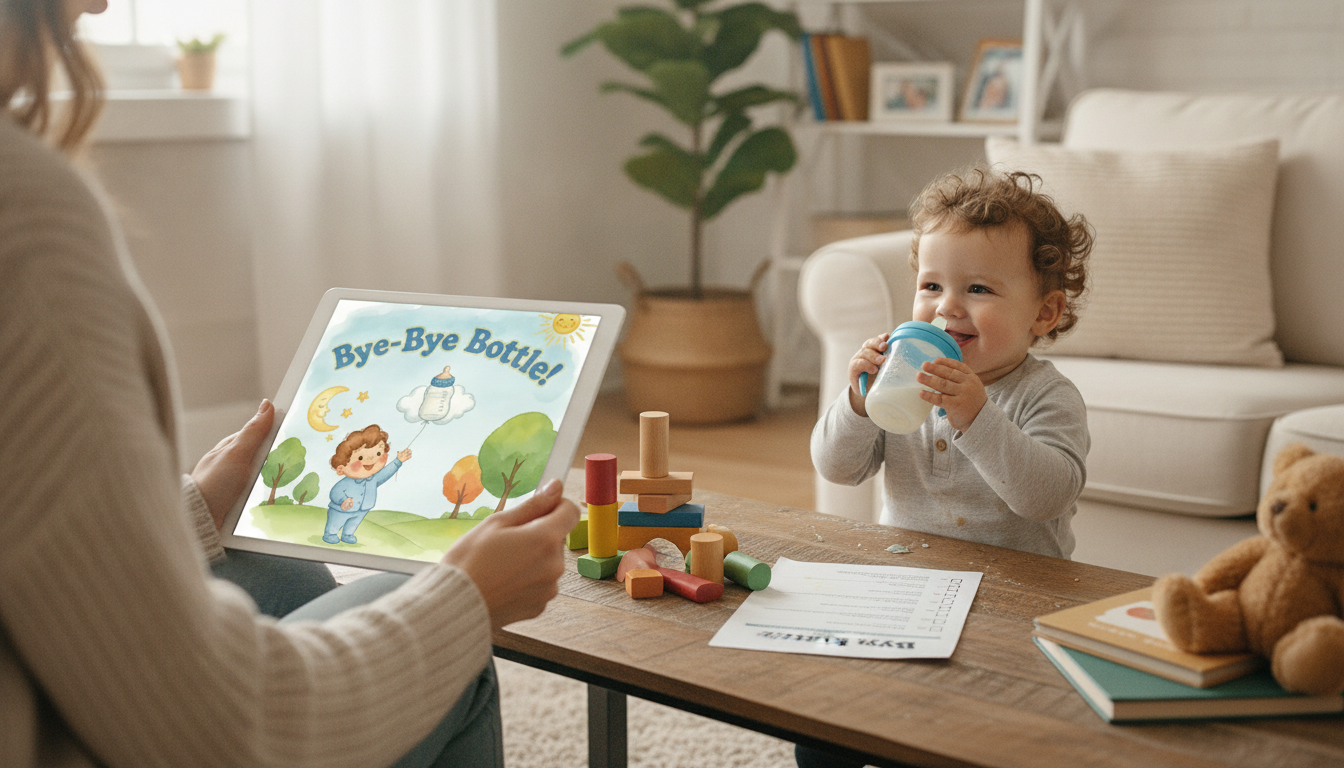
Start by choosing one cup your toddler can manage easily (a straw cup or 360-style cup often works well for milk) and introduce it when your child is calm and hungry—usually at breakfast or snack time. Keep the bottle out of sight during cup practice so it doesn’t become a negotiation.
Step-by-step transition that keeps milk familiar
1) Keep the milk the same, change only the container. Offer the usual milk in the new cup at a consistent time each day. If your toddler refuses, stay neutral, end the attempt after a few minutes, and try again later.
2) Replace one bottle first. The bedtime bottle is usually the hardest, so start with the easiest bottle of the day (often mid-morning or afternoon). Once your toddler accepts the cup there for a few days, replace a second bottle.
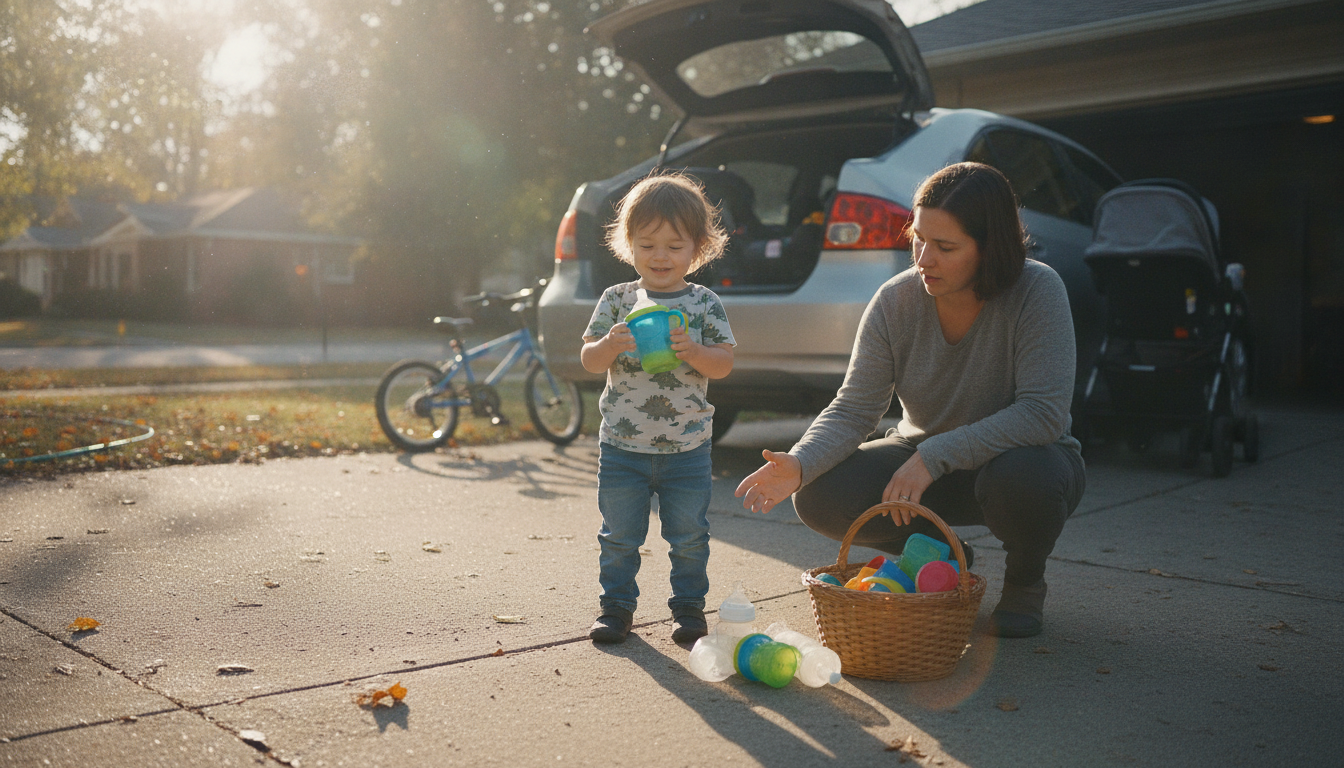
3) Use “bottle stays home” rules. Make cups the default everywhere—car, stroller, daycare bag—so your toddler learns bottles aren’t part of being out and about.
4) Reduce bottle volume gradually. If your toddler is strongly attached, shrink the milk amount in the bottle while keeping cup servings steady. Many kids naturally switch when the bottle stops being “worth it.”
Make bedtime work without a bottle
If the bottle is part of the sleep routine, separate milk from sleep: move milk earlier (with a book or before pajamas), then brush teeth, then do the rest of the bedtime routine. Offer water in a cup after teeth if needed. This protects teeth and prevents the bottle from being the “sleep switch.”
Common sticking points (and quick fixes)
Refusing milk in a cup: Offer milk in the cup at the table, and keep the bottle for water only (or stop bottles completely once you’re ready). Spills: Practice with water first, then switch to milk. Power struggles: Keep language simple: “Milk goes in the cup now.”
For a day-by-day plan that many families follow, see the full guide here: toddler bottle weaning 7–14 day checklist.
FAQ
What age should a toddler stop using a bottle?
Many pediatric dentists recommend transitioning off bottles around 12–18 months to help protect teeth and support mature drinking skills. If your toddler is older, a consistent, gradual plan can still work well.








Leave a comment