Bottle to Cup at Age 2: A 7–14 Day Transition Plan
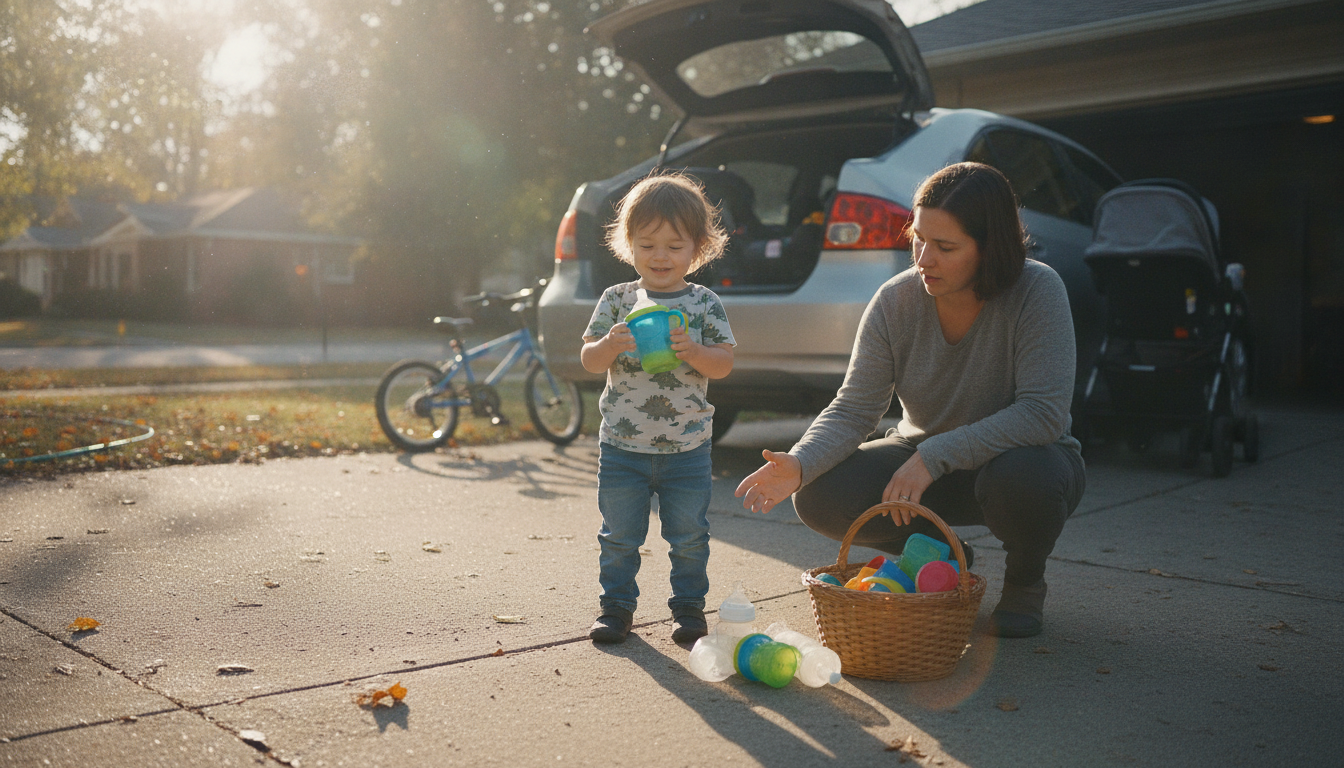
How to transition a 2 year old from bottle to cup?
At age 2, the smoothest bottle-to-cup transition usually comes from a short, predictable plan: limit bottles to specific times, replace one bottle at a time with a cup your child can manage, and keep the routine calm and consistent. Many toddlers resist at first because the bottle is comforting, not because they can’t drink from a cup.
1) Pick the right cup (and make it easy to succeed)
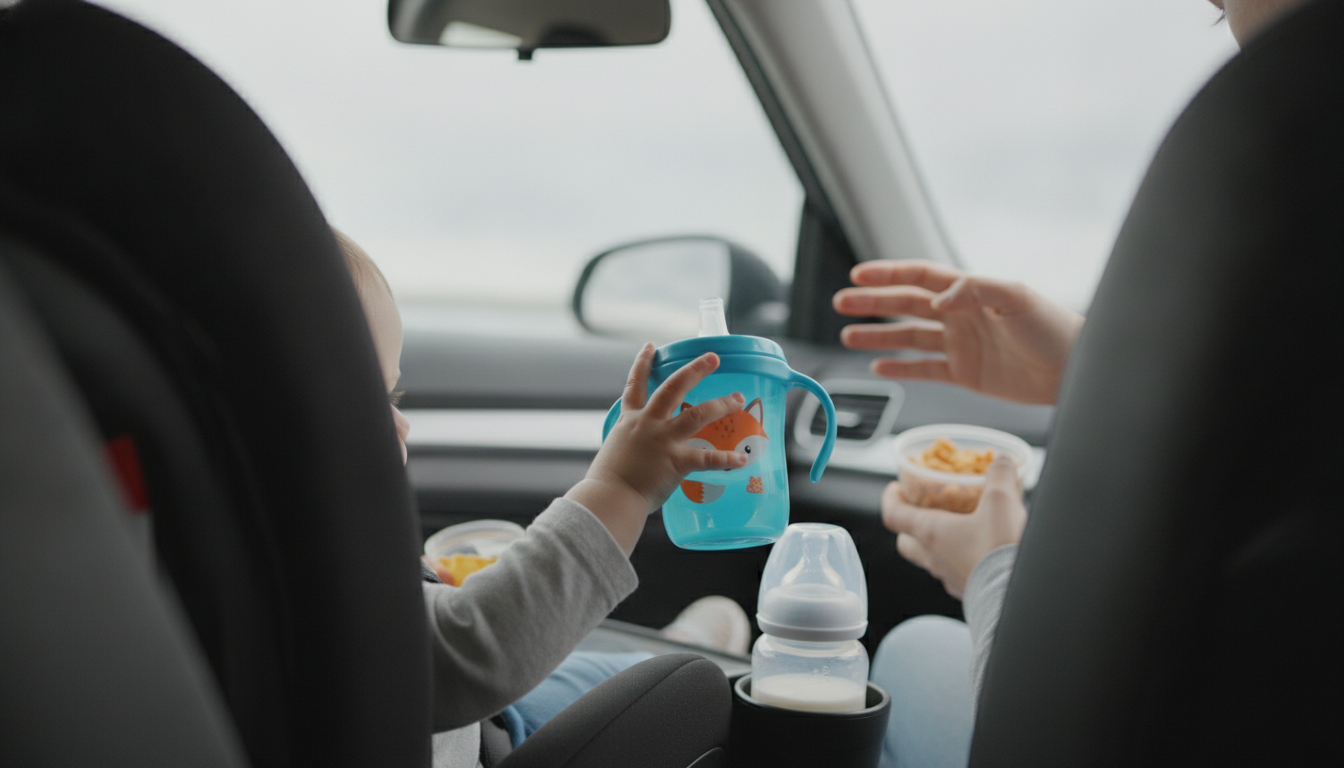
Choose one cup style and stick with it for the first week so your toddler isn’t constantly relearning. A straw cup or a spoutless trainer cup can be easier for some kids than an open cup. Offer water in cups all day, and reserve milk for meals/snacks to reduce “sip-all-day” habits that keep the bottle emotionally important.
2) Create bottle rules and a simple timeline
Start by setting clear bottle boundaries: bottles only at set times (often morning and bedtime). Then remove one bottle every few days. A common order is: drop daytime bottles first, then tackle bedtime last. Keep language simple: “Bottle is all done. Milk goes in your cup.”
3) Replace the comfort, not just the container
If the bottle is part of soothing, swap in a new comfort routine: cuddles, a book, a favorite blanket, or a short song. For bedtime, keep the cup out of the crib/bed if possible and aim to finish milk before teeth brushing to protect dental health.
4) Use small wins and consistent follow-through
Offer enthusiastic but low-pressure praise when they use the cup. Avoid bargaining with bottles once you’ve removed one; bringing it back can reinforce protests. If your child is sick or traveling, it’s okay to pause briefly—but restart as soon as things are stable.
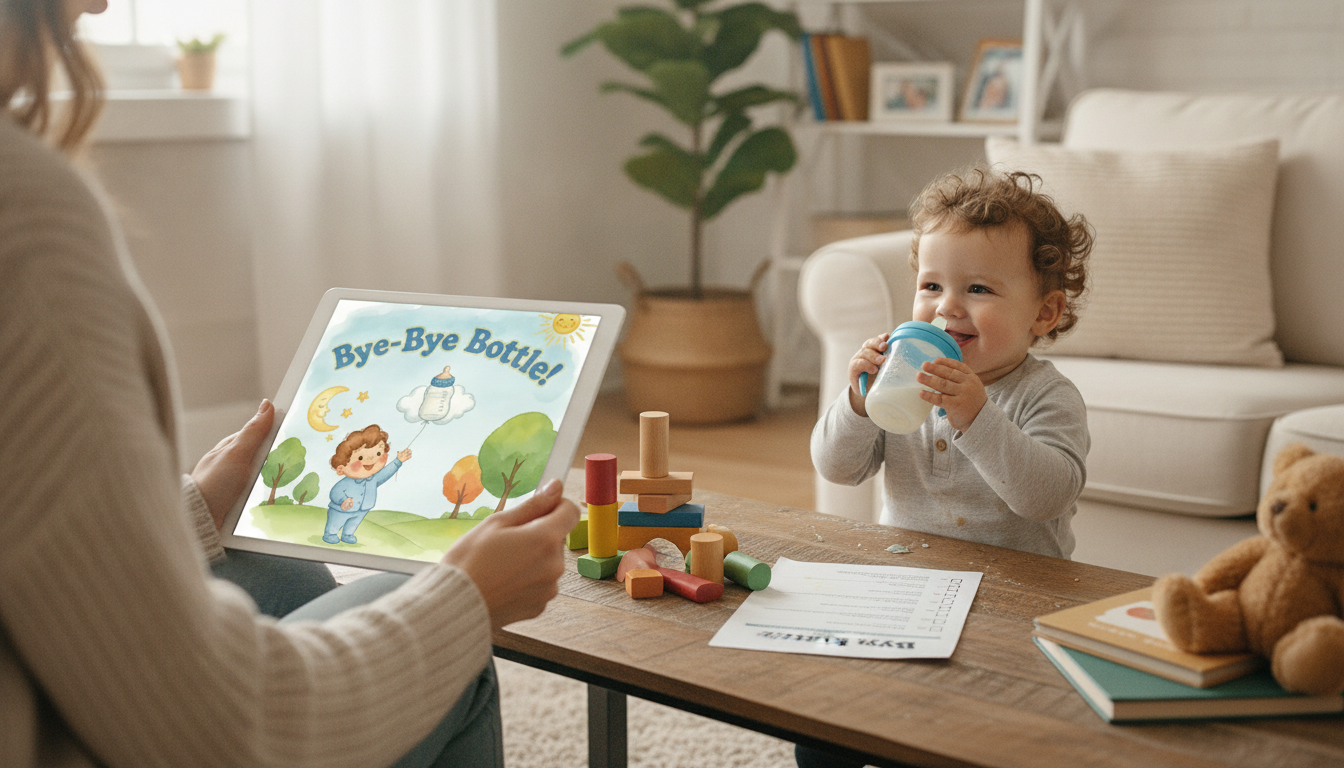
For a step-by-step plan that many families follow over one to two weeks, see the full guide here: toddler bottle weaning 7–14 day checklist.
FAQ
What should I do if my toddler refuses milk from a cup?
Keep offering milk in the cup at meals, but don’t panic if intake dips for a few days. Focus on overall nutrition (yogurt, cheese, fortified alternatives if used) and keep water available; most toddlers adjust once the bottle is no longer an option.








Leave a comment