Toddler Bottle Weaning: A Calm 7–14 Day Checklist
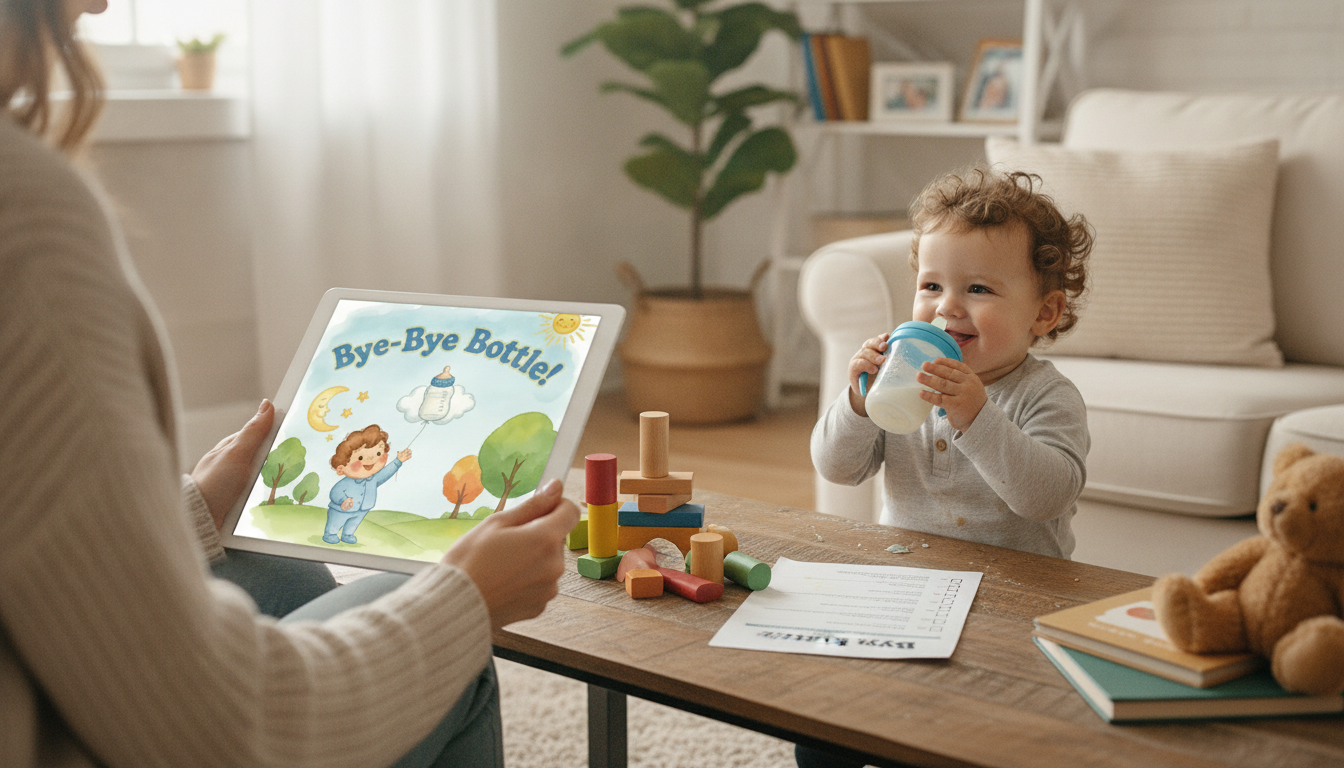
When toddlers are ready to stop using a bottle
Bottle-weaning can be one of those “simple on paper” milestones that feels oddly big in real life—especially if bottles are tied to naps, car rides, or bedtime comfort. A repeatable plan helps toddlers learn what’s changing while helping caregivers stay steady.
Many children transition away from bottles around 12–18 months, but some families take a slower route into the second year depending on sleep patterns, daycare routines, or a toddler’s comfort needs. Readiness often shows up as a cluster of small signs:
- They already drink water from a straw cup or sippy cup without much fuss.
- They can handle small routine changes and understand simple “all done” cues.
- They accept comfort from other sources—blanket, story, song, cuddle—without needing milk to settle.
- The bottle is mostly a habit: they ask for it in specific spots or moments (couch, car, bedtime) rather than because they’re hungry or thirsty.
If there are feeding or growth concerns, prolonged oral-motor needs, or medical factors, check in with your pediatrician or pediatric dentist for personalized guidance. Helpful references include guidance from the American Academy of Pediatrics and the American Academy of Pediatric Dentistry.
Pick the cup path: straw, open cup, or trainer cup
For the first 1–2 weeks, choose one primary cup style for milk to reduce confusion. Water can be offered in any cup that encourages sipping and practice (especially at meals).
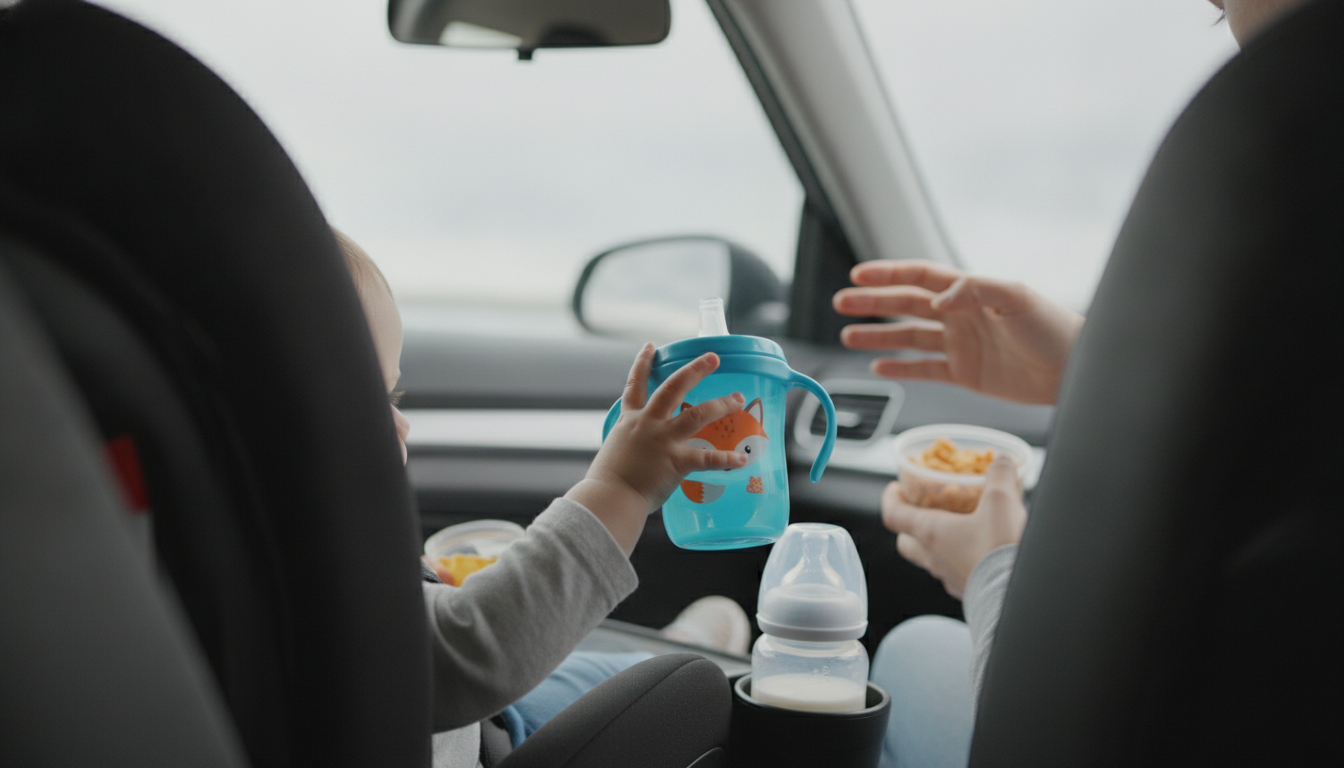
Straw cups often work well for milk transitions because they feel “familiar enough” while still changing the skill (and the expectation). Open cups are great for long-term skill-building, but they’re easiest in tiny pours during meals. If you use a spout-style trainer cup, consider it a short bridge with a clear plan to move to straw/open cup so the transition doesn’t stall.
Set yourself up for fewer backslides: keep one “home cup,” one “out-and-about cup,” and a backup. Missing cup + tired toddler is when bottles tend to reappear.
Cup options at a glance
| Cup type | Best for | Potential challenges | Tips to make it easier |
|---|---|---|---|
| Straw cup | Bottle-to-cup transitions for milk | Chewing the straw, leaking, slow drinking | Use a bite-resistant straw; start with short milk sessions; model sipping |
| Open cup | Mealtime skill-building | Spills, frustration | Offer 1–2 oz at a time; use a small cup; practice over a towel |
| Trainer/sippy spout | Some toddlers who refuse other cups | Can feel too similar to a bottle; may prolong the switch | Use as a short bridge; set a date to move to straw/open cup |
A gentle 7–14 day bottle-weaning checklist
A realistic timeline is fast enough to keep momentum, but slow enough to avoid turning every milk moment into a power struggle. Adjust the pace based on your child’s temperament and your family’s schedule.
Days 1–2: Set the expectation
Use simple, confident wording: “Milk goes in your cup now. Bottles are all done.” Keep your tone calm and matter-of-fact.
Days 1–3: Drop the easiest bottle first
Days 3–5: Replace one more bottle
Days 5–7: Remove bottles from sight
Week 2 (if needed): Tackle the hardest bottle last
For a ready-to-use version of this schedule (with swap checkboxes and simple caregiver scripts), see Bye-Bye Bottle! Toddler Bottle-Weaning Checklist (digital download).
Milk without the bottle: what to change (and what to keep the same)
- Serve milk with meals or planned snack windows; offer water freely between meals to support hydration (the CDC beverage guidance is a helpful reference point).
- If bedtime bottles are the issue, move milk earlier in the routine—before toothbrushing—while keeping the rest of bedtime consistent.
- Avoid letting a toddler carry a milk cup around for long periods. Treat milk like a “served” drink and water like the “anytime” drink.
- If milk intake dips for a few days, zoom out to overall nutrition: yogurt, cheese, and other appropriate options can help fill the gap.
Common roadblocks and quick fixes
“Refuses milk in a cup”
“Tantrums at bottle times”
Validate the feeling and hold the boundary: “You want the bottle. It’s hard.” Then offer choices that don’t include the bottle (which cup, where to sit, which book). If public meltdowns are a frequent stress point, Calm in the Chaos: Mastering Toddler Tantrums in Public (digital guide) can help you keep the boundary without escalating the moment.
“Night waking after dropping the bedtime bottle”
“Regression after illness or travel”
“Caregiver inconsistency”
Printable structure for busy days: a ready-to-use plan
If you want a low-cost option that’s easy to keep on your phone or print for the fridge, Bye-Bye Bottle! Toddler Bottle-Weaning Checklist is designed for a calm, step-by-step transition. Pairing bottle-weaning with steadier snack structure can also help some toddlers feel more settled; Toddler Snack Success Checklist can support predictable fuel during the change.
FAQ
How to transition a 2 year old from bottle to cup?
Pick one cup style, drop the easiest bottle first, and keep routines predictable so only the container changes. Remove bottles from sight, save the bedtime bottle for last, and replace the bottle’s comfort with stories, cuddles, and a consistent bedtime sequence.
How to transition toddler from bottle to cup for milk?
Start with milk in a straw cup (or a short-term trainer cup if needed) during the most successful time of day, then replace one bottle every few days. Offer water freely between meals, keep milk to planned times, and stay calm and consistent if refusal happens.
What if my toddler only wants a bottle at bedtime?
Move milk earlier in the bedtime routine (before toothbrushing) and keep everything else the same—bath, pajamas, story, cuddle, bed. Expect a few tough nights and support the change with extra daytime calories, a predictable bedtime snack, and non-milk soothing.








Leave a comment